
But there is no evidence that CBD can pass through the skin and into the body. Some people report improvement in their symptoms while using CBD, and some studies have shown small benefits in certain people. Before using CBD, make sure to tell your health care provider about any health conditions you have digital entertainment preferences in the UK or medicines you are taking. You should also see a doctor if you have a severe sleep disorder, restlessness or anxiety, as CBD is not meant to treat those issues. Of course CBD is primarily meant for therapeutic benefits and is not meant to replace any doctor-recommended prescriptions if you suffer from serious insomnia.
If you are considering using a CBD-based product for your sleep disorder, speak with your primary care provider or sleep specialist about whether there is any research about its effectiveness in regulating your condition. According to research, lower doses of THC are linked to reduced sleep onset latency (the time it takes to fall asleep after the lights turn off), more deep sleep, and longer sleep duration. Like many other natural sleep aids, more research is needed to know exactly which types of sleep disorders could benefit the most. If your sleeping difficulties are due to anxiety or pain, CBD may provide relief from your symptoms so you can fall asleep faster and stay asleep longer. Other possible side effects include diarrhea, dry mouth, drowsiness, fatigue, and reduced appetite.
This theory suggests that low endocannabinoid levels in your body or ECS dysfunction can contribute to the development of certain conditions. This allows them to have more of an effect on your body. For example, THC may help to reduce pain and stimulate your appetite. This allows it to have a range of effects on your body and mind, some more desirable than others. Once in your body, THC interacts with your ECS by binding to receptors, just like endocannabinoids.
Our review summarizes the mechanism, role, and current body of literature on cannabinoids in various sleep disorders. Based on the limited available data on sleep disordered breathing, the American Academy of Sleep Medicine (AASM) has recommended against routine use of medical cannabis for OSA treatment . Pharmacological management of RBD is mainly limited to agents like benzodiazepines as well as melatonin; there is continued interest in exploration of other potential agents for treatment.
And as always, speak with your doctor or pharmacist to ensure that CBD is appropriate for you. So, if you’re currently taking a prescription medication, exercise caution. Melatonin is a naturally occurring hormone that’s considered one of the most reliable sleep aids for infrequent use.13 Note that we said infrequent use.
Don’t use cannabis products if you’re pregnant or breastfeeding. “Then, when they go one night without it, they can’t sleep.” But he says we don’t know if that’s from the CBD itself or because the compound helps in other ways. Vandrey says people with PTSD often say they have fewer nightmares when they use cannabis. But when it comes to cannabis research on sleep, “the body of literature is pretty small.”
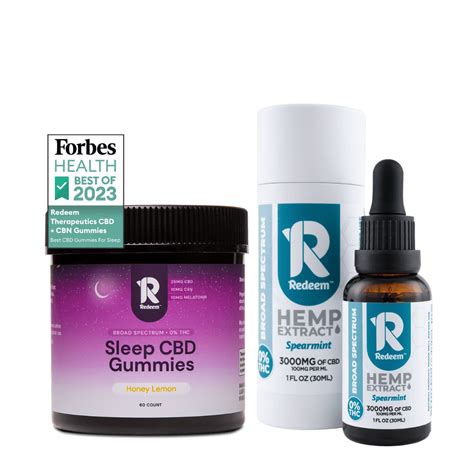
There is moderate evidence that CBD can improve sleep disorders, fibromyalgia pain, muscle spasticity related to multiple sclerosis, and anxiety. Melatonin does not have FDA approval, so we do not recommend taking CBD infused with melatonin. Scientists have not found an optimal dose or enough evidence to suggest that CBD is as good as sleep remedies that a doctor may prescribe. According to a 2023 review of 34 studies on CBD use for managing insomnia, all the studies reported improvement in insomnia symptoms for at least some of the participants. A 2024 study found that low dose CBD is safe and can improve sleep quality, but its effects do not surpass those of 5 mg of melatonin.
CBD vs Melatonin for Sleep
Multiple pharmacological agents have been investigated and found to have limited therapeutic potential. Before it can be reliably considered a choice for insomnia treatment, larger controlled studies are needed to better evaluate optimal doses as well as effects on various sleep stages. Applicability is also limited due to lack of assessment of dose-related effects. Given limited therapeutic drug options and the potential deleterious health effects of available pharmacological agents, investigation of additional therapeutics is warranted.
Comparing the best CBD gummies for sleep
At no time should any content found on this site, irrespective of its date, replace direct medical guidance from your doctor or another qualified healthcare provider. Certain medications can interact with CBD since it competes with the same liver enzymes responsible for metabolizing many widely used drugs. However, with any cannabis edible—be it a gummy, brownie, drink, or tincture—individuals might be more sensitive to its effects than anticipated, or they may consume an excessive amount due to impatience in wanting to feel the effects. Due to the relatively rapid absorption of a tincture into the bloodstream, you might experience the effects within 15 to 45 minutes, and these effects could persist for several hours.
0 Comment on this Article
Comment closed!